Is Fat Good for You? Healthy Fats vs Unhealthy Fats
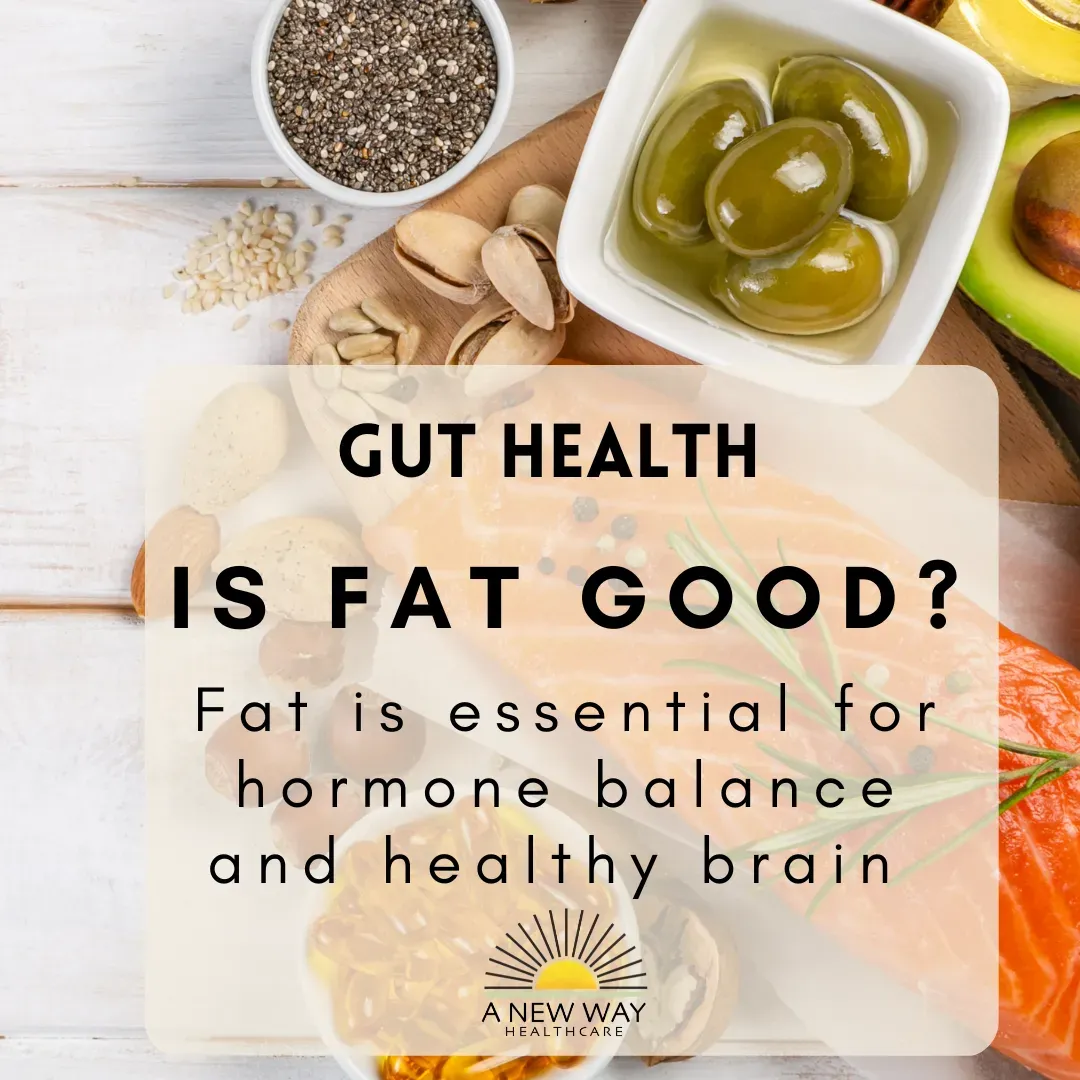
As a matter of fact a small amount of fat is an essential part of a healthy, balanced diet.
Fat is a source of essential fatty acids, which the body cannot make itself. Fat helps the body absorb vitamin A, vitamin D and vitamin E. These vitamins are fat-soluble, which means they can only be absorbed with the help of fats.
Not All Fats Are the Same: Healthy Fats vs Unhealthy Fats
Not every fat is good though. Saturated fat, found mainly in meat and dairy foods, contributes to clogged arteries and cardiovascular disease. But monounsaturated and polyunsaturated fats, found in plants and healthful oils, actually protect your health by improving your cholesterol profile. Fat has little direct effect on blood sugar levels.
Why Your Body Needs Fat
Fat is a type of nutrient, and just like protein and carbohydrates, your body needs some fat for energy, to absorb vitamins, and to protect your heart and brain health. For years we’ve been told that eating fat will add inches to your waistline, raise cholesterol, and cause a myriad of health problems. But now we know that not all fat is the same.
Unhealthy Fats: Trans Fats and Saturated Fats
“Bad” fats, such as artificial trans fats and saturated fats, are guilty of the unhealthy things all fats have been blamed for: weight gain, clogged arteries, an increased risk of certain diseases, and so forth. But “good” fats such as unsaturated fats and omega-3 fatty acids have the opposite effect. In fact, healthy fats play a huge role in helping you manage your moods, stay on top of your mental game, fight fatigue, and even control your weight.
In other words, rather than adopting a low-fat diet, it's more important to focus on eating more beneficial “good” fats and limiting harmful “bad” fats.
Healthy Fats: Unsaturated Fats and Their Benefits
Unsaturated or monounsaturated and polyunsaturated fats are known as "good" fats. Health benefits of unsaturated fats include lowered blood cholesterol levels, reduced inflammation, and stabilized heart rhythms. Beneficial fats are predominantly found in foods from plants and are liquid at room temperature. There are two types of unsaturated fats:
Monounsaturated Fats
These fats are liquid at room temperature but solidify when refrigerated. Olive oil is probably the most well-known monounsaturated fat. High concentrations can also be found in olives, avocados, hazelnuts, almonds, Brazil nuts, cashews, sesame seeds, pumpkin seeds, and canola and peanut oils.
Polyunsaturated Fats and Omega-3 Fatty Acids
Well known for their role in reducing overall blood cholesterol and triglyceride levels, omega-3 fatty acids are a polyunsaturated fat shown to provide heart-health benefits. Food sources include fatty fish like salmon, trout, catfish, and mackerel, and also flaxseeds and walnuts. Dietitians recommend consuming omega-3 fatty acids from food sources rather than supplements; aim to eat two servings of fatty fish each week.
The Best Healthy Fats to Add to Your Diet
The best “good” fats to add to your diet are avocados, nuts and seeds, olive oil and fatty fish. The easy part? You don't need a diet overhaul. Toss avocado on your toast, grab a handful of walnuts as a snack, drizzle olive oil on your salad, and enjoy salmon a couple of times a week.
Get Nutrition Help in Jacksonville Beach
If you want help building meals around healthy fats, our weight management program includes nutrition guidance from our Jacksonville Beach team. Our integrative primary care visits look at diet, hormones and labs together, so you get advice that fits your health.
Frequently Asked Questions
1. Are healthy fats good for weight loss?
Healthy fats are better for you than saturated or trans fats, but they still have calories. Every type of fat has 9 calories per gram, which is more than double what carbs and protein have. So the goal is to swap healthy fats in for less healthy ones, not just pile more on top of what you already eat.
2. How much saturated fat is OK to eat in a day?
The Dietary Guidelines for Americans suggest keeping saturated fat under 10% of your daily calories. For someone eating about 2,000 calories a day, that works out to roughly 200 calories, or about 22 grams. Red meat, butter, cheese and whole-fat dairy are common sources, so checking nutrition labels can help you keep track.
3. Why are trans fats considered the worst type of fat?
Trans fats raise your LDL, or "bad," cholesterol and lower your HDL, or "good," cholesterol at the same time. That combination makes it easier for cholesterol to build up in your arteries, which raises the risk of heart disease and stroke. Your body does not need trans fats, so the best advice is to eat as little as possible.
4. Can my body make its own omega-3 fats?
No. Omega-3s are essential fatty acids, which means your body cannot make them and you have to get them from food. Good food sources include fatty fish like salmon, plus walnuts, flaxseeds and canola oil.
5. Is it better to cook with olive oil or butter?
Olive oil is usually the better everyday choice. It is mostly unsaturated fat and stays liquid at room temperature, while butter is high in saturated fat and is solid at room temperature. Health experts recommend using plant oils like olive or canola oil for cooking and keeping butter to small amounts.
Key Takeaways
- A small amount of fat is a normal part of a healthy, balanced diet.
- Fat gives you essential fatty acids and helps your body absorb vitamins A, D and E.
- Trans fats and saturated fats are the ones linked to clogged arteries and heart disease.
- Unsaturated fats, including omega-3s, can improve cholesterol and support heart health.
- Focus on good fats like avocados, nuts, seeds, olive oil and fatty fish instead of going low-fat.