

Your Annual Screening Is a Starting Point October is Breast Cancer Awareness Month, and every year the message is familiar: schedule your mammogram. And that matters. Mammography remains one of the most effective tools for early detection, and staying current on your screenings is one of the most important things you can do for your breast health. But for many women, the mammogram is where the conversation begins and ends. You schedule it, you get through it, you wait for results, you move on. And unless something comes back abnormal, breast health doesn't come up again until the following year. The reality is that a complete breast health strategy involves more than a single annual screening. It includes understanding your individual risk factors, knowing your breast density, making informed nutrition and lifestyle choices, and having honest conversations with your healthcare provider about what proactive care looks like for your specific body. Breast Density: The Variable Most Women Miss If you've never been told your breast density category, you're in good company. Many women go years without knowing this information, even though it directly affects both their risk level and the accuracy of their mammograms. Breast density refers to the proportion of fibrous and glandular tissue relative to fatty tissue. It's determined by mammogram, not by breast size or how your breasts feel on self-exam. Roughly 40-50% of women in screening age ranges have dense breast tissue, which falls into categories C or D on the four-tier scale. Why this matters: dense breast tissue is associated with increased breast cancer risk on its own. And because both dense tissue and tumors appear white on a mammogram, standard 2D imaging may miss abnormalities that would be visible in less dense tissue. For women with dense breasts, supplemental screening like breast ultrasound or MRI may significantly improve detection. If you don't know your breast density, ask. If you're category C or D, ask your healthcare provider whether additional screening is appropriate for you. Risk Factors: What You Can't Change and What You Can Some breast cancer risk factors are fixed. Family history, genetic mutations like BRCA1 and BRCA2, age at first period, and age at menopause all play a role. If you have a first-degree relative who was diagnosed, your risk is roughly doubled compared to someone without that family history. Knowing where you stand with these factors helps your healthcare provider tailor your screening schedule and monitoring approach. But a meaningful portion of your risk profile is shaped by choices you make every day. Regular physical activity, 150 or more minutes per week of moderate exercise, is associated with a 10-20% reduction in breast cancer risk. Even moderate alcohol consumption, around one drink per day, increases risk by 7-10%. Body composition, sleep quality, and chronic stress all contribute. This is not about perfection. It's about being intentional with the factors you can actually influence, and knowing which ones are worth prioritizing. Nutrition as a Layer of Prevention There is no single food that prevents breast cancer. But dietary patterns matter. Cruciferous vegetables like broccoli, cauliflower, and Brussels sprouts contain compounds that support healthy estrogen metabolism. Omega-3 fatty acids from fish, walnuts, and flaxseed help manage inflammation. Vitamin D levels, frequently low and rarely checked, have been linked to breast cancer outcomes in multiple studies. On the other side, ultra-processed foods contribute to chronic inflammation. Endocrine disruptors found in certain plastics and personal care products can interfere with hormonal signaling over time. You don't need to overhaul your life overnight. But knowing where targeted changes can support your body's protective systems gives you more agency than most awareness campaigns offer. Hormone Therapy: Why Fear Shouldn't Be the Deciding Factor For women in perimenopause or menopause, the question of hormone therapy often carries more anxiety than almost any other health decision. And most of that anxiety traces back to a 2002 study that was widely interpreted as proof that hormones cause breast cancer. The full picture is more reassuring than the headlines ever suggested. The overall breast cancer risk associated with modern hormone therapy is low. The elevated risk reported in that original study was tied specifically to synthetic progestins, not to all forms of hormonal support. Body-identical progesterone, which is structurally the same as what your body produces naturally, has shown a different and more favorable safety profile in large-scale research. The type of hormone matters. The route of delivery matters. The timing of when therapy begins relative to menopause matters. These variables make the difference between a generalized fear and an informed, individualized decision. And for women with a personal history of breast cancer, the conversation is more nuanced than a simple "no." A breast cancer history does not automatically disqualify you from every form of hormonal support. Depending on the type of cancer, receptor status, time since treatment, and severity of symptoms, there may be options available to you. That evaluation requires coordination between your oncologist and a hormone health provider who understands the current evidence, but the door is not closed by default. Meanwhile, the consequences of going without hormonal support during menopause are real and well documented. Accelerated bone density loss, increased cardiovascular risk, cognitive changes, urogenital atrophy, and a significant reduction in quality of life. When weighing the risks of hormone therapy, the risks of avoidance deserve equal space in the conversation. If you've been putting off the hormone conversation because of what you heard years ago, the evidence has moved forward. Your decision should be based on your individual risk profile and the current research, not on a headline from 2002. What Proactive Care Looks Like Proactive breast health means knowing your breast density and what it means for your screening plan. It means understanding your individual risk factors, both the ones you carry and the ones you can influence. It means making nutrition and lifestyle choices that support your body's protective capacity. And it means having the conversations that matter, about screening, about risk, and about what your body actually needs during perimenopause and menopause. If you've been navigating menopause symptoms without exploring your hormone therapy options, or if you've avoided the conversation because of breast cancer concerns, this is a good time to revisit it with a healthcare provider who can walk through the evidence with you and assess your individual risk. Schedule a consultation to discuss your hormone health options, review your personal risk profile, and build a plan that reflects where your body is right now.
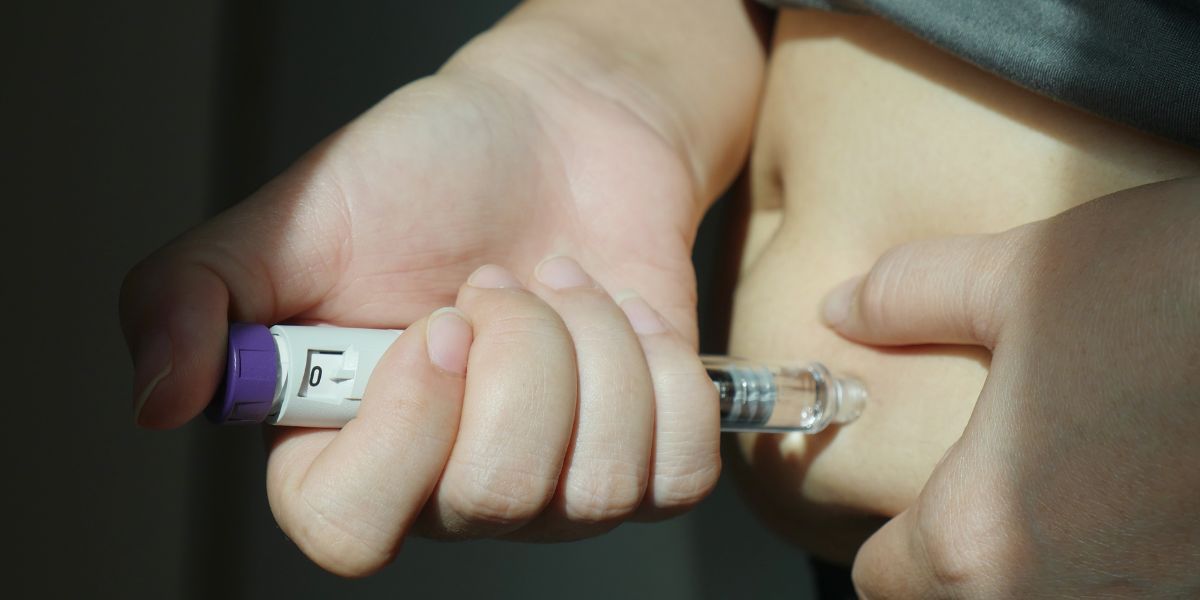
Learn how GLP-1 medications like semaglutide support medical weight loss with provider-guided care at A New Way Healthcare in Jacksonville Beach.